Kits are shipping now! Order early to give your group plenty of time to make and wear their poppies before Remembrance Day.

Questions? Contact the project. We answer within two school days.
Questions? Contact the project. We answer within two school days.
Questions? Contact the project. We answer within two school days.
The history of the poppy
John McCrae, Madame Anna Guerin, and the Royal Canadian Legion’s Poppy Campaign. The story behind the Remembrance Day poppy.
It starts with a flower
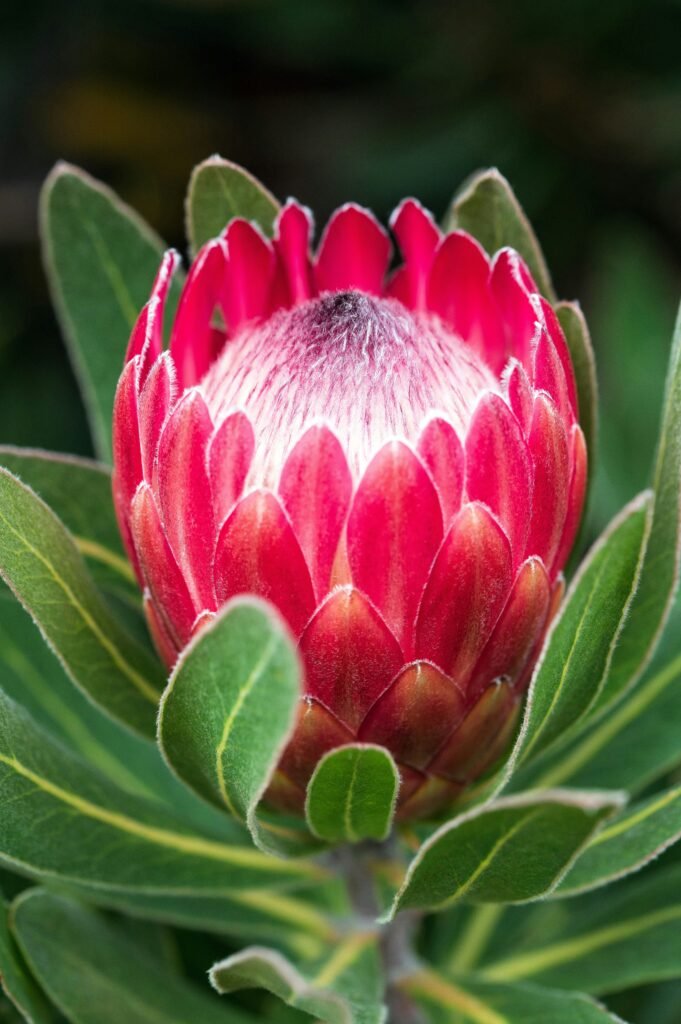
The King Protea is one of the oldest flowering plants on earth, native to South Africa, roughly 300 million years old.

Madame Anna Guérin
Inspired by McCrae’s poem, she proposed the poppy as the symbol of Remembrance and raised money for widows and orphans in war torn France. On July 4, 1921, the Great War Veterans Association agreed to adopt the poppy emblem.
The Boer War
Inspired by McCrae’s poem, she proposed the poppy as the symbol of Remembrance and raised money for widows and orphans in war torn France. On July 4, 1921, the Great War Veterans Association agreed to adopt the poppy emblem.

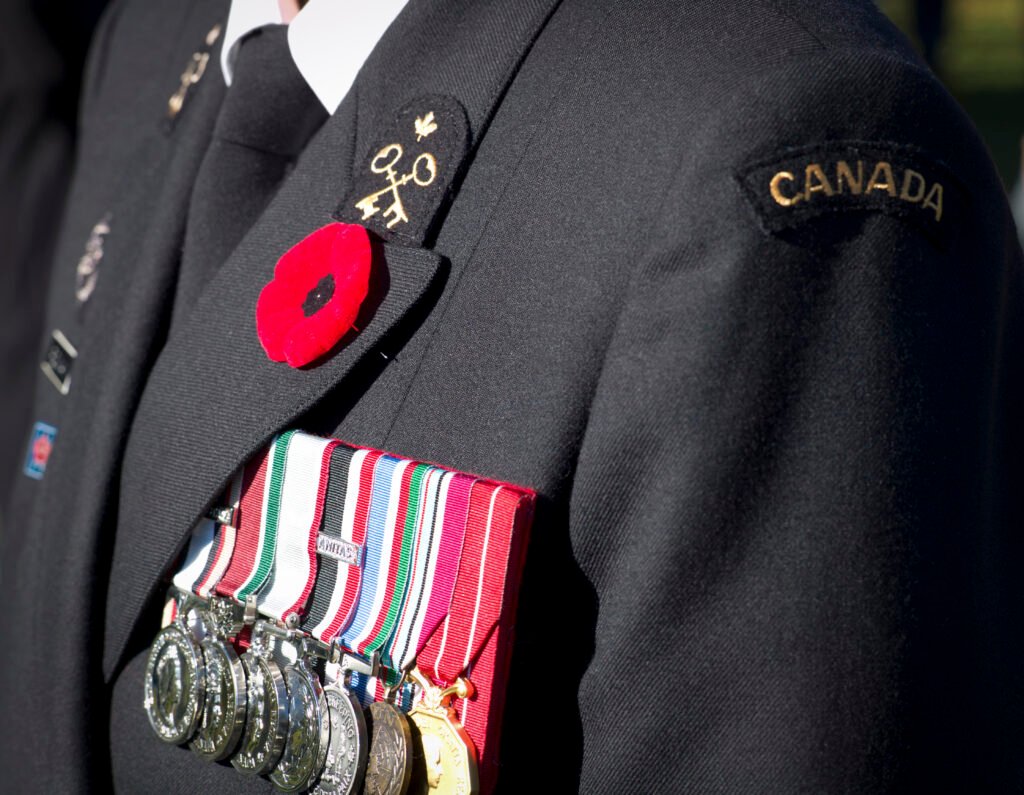
The Royal Canadian Legion
Since June 30, 1948, the Legion has been entrusted by the people of Canada to uphold the poppy as a symbol honouring veterans. The Poppy Campaign runs every year from the last Friday in October to November 11.
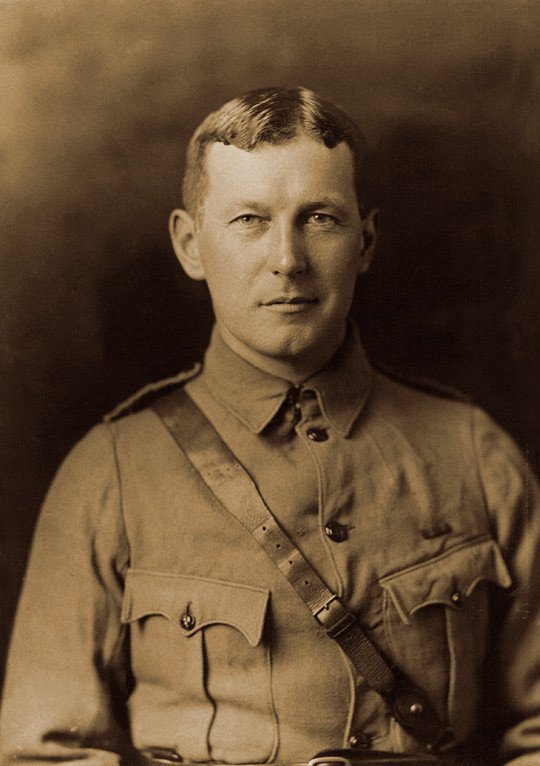
John McCrae
Born in Guelph, Ontario, in 1872, from a long line of soldiers. A doctor, medical teacher, and surgeon who served in the Boer War, and in 1914 was appointed medical officer with the First Brigade of the Canadian Field Artillery. Warm, principled, and known for extraordinary compassion — he brought his horse Bonfire to war, and his dog Bonneau joined him on hospital rounds. Lieutenant Alexis Helmer, a close friend, was killed in the field in 1915; his death moved McCrae to write In Flanders Fields.
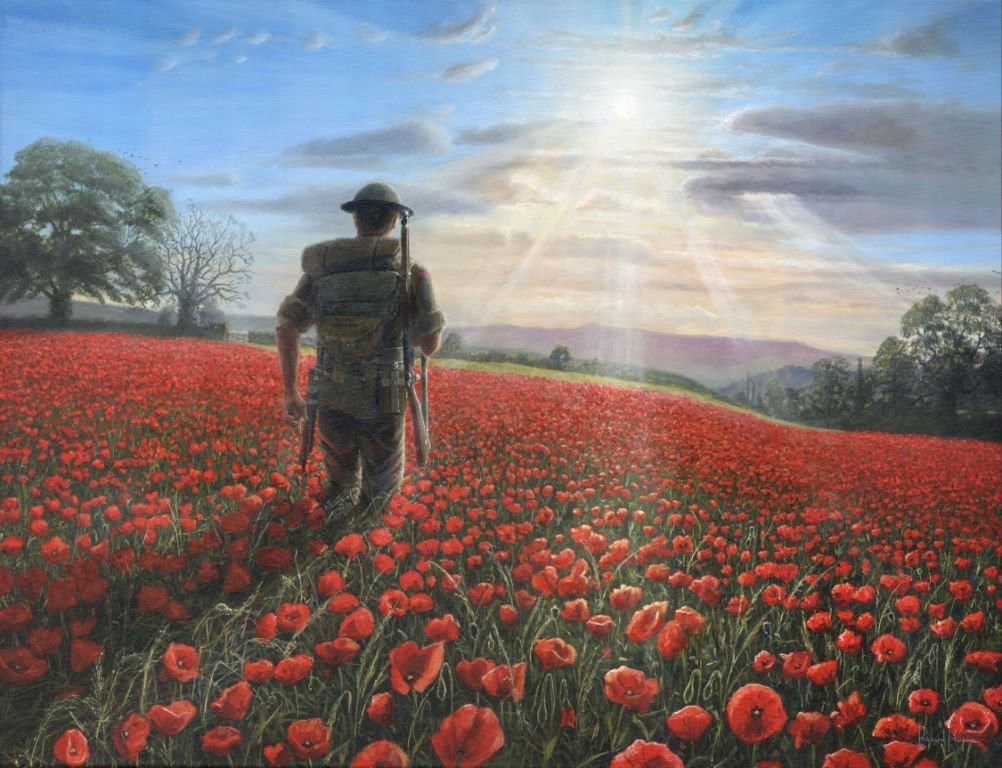
In Flanders fields the poppies blow
Between the crosses, row on row,
That mark our place; and in the sky
The larks, still bravely singing, fly
Scarce heard amid the guns below.
We are the Dead. Short days ago
We lived, felt dawn, saw sunset glow,
Loved and were loved, and now we lie
In Flanders fields.
Take up our quarrel with the foe:
To you from failing hands we throw
The torch; be yours to hold it high.
If ye break faith with us who die
We shall not sleep, though poppies grow
In Flanders fields.
— Lieutenant-Colonel John McCrae, 1915
“It’s a really good lesson of the future meeting the past. It shows our veterans that we’re still planting the seeds of hope in our young people.”
— Darlene O’Neill, Fanshawe College